858.368.9221

Starting Solids With Confidence
A practical, supportive guide for your baby’s first foods.
Starting solids is an exciting milestone, but it can also come with a lot of questions. What should you offer first? How much should your baby eat? What texture should food be? And how do you know when they’re ready?
I created this free Starting Solids Guide to make those first meals feel a little more manageable.
It brings together practical feeding ideas I’ve learned through years of caring for infants, along with research-informed guidance for introducing complementary foods. There’s no perfect first food or one right way to begin. The goal is to help you create safe, relaxed opportunities for your baby to explore food at their own pace.

What’s Inside the Guide?
This quick-start resource covers some of the basics you’ll want to know as you begin offering your baby solid foods, including:
-
Signs your baby may be ready to begin solids
-
Tips for creating a safe and comfortable first meal
-
Ideas for building simple meals with iron-rich foods, grains, fruits, vegetables and healthy fats
-
Guidance for introducing new foods and common allergens
-
Texture tips for early eaters
-
Four simple first-food recipes you can make at home
You’ll also find reminders throughout the guide to follow your baby’s hunger and fullness cues and allow plenty of time for touching, tasting, squishing and exploring.
Your Baby’s First Meals Can Be Simple
There is no required first food and no universal menu for babies.
Foods that already fit your household, culture, budget and access can often be adapted into developmentally appropriate options for your baby. Over time, offering a variety of flavors, textures and foods can help your baby become familiar with the foods your family enjoys.
Early meals also don’t need to look like complete adult meals. A few thoughtfully chosen foods and a relaxed opportunity to explore them can be enough.
Some days your baby may eat several bites. Other days they may taste very little. Both can be part of learning to eat.
Try One of the Recipes
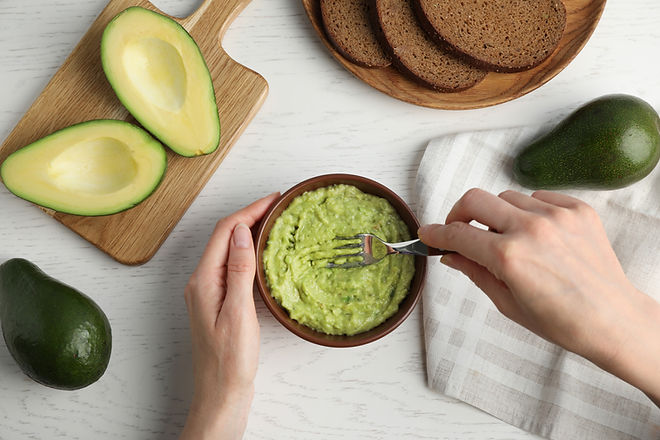
One of my favorite simple combinations from the guide is Avocado + Banana Mash.
Mash ripe avocado and banana together until you reach a texture that works for your baby. For a smoother consistency, add a small amount of water, breast milk or prepared infant formula. As your baby becomes more comfortable with texture, you can leave the mixture a little thicker or more softly mashed. The guide includes additional easy combinations along with ideas for adjusting their texture.
Ready to Get Started? Download your free copy of Starting Solids With Confidence and keep it nearby as you begin exploring first foods together.
A Note About This Resource
This guide is intended for general educational purposes and reflects a combination of caregiver experience and research-informed infant-feeding guidance. It is not medical, nutritional, feeding-therapy or emergency advice and does not replace individualized guidance from your child’s pediatrician or another qualified healthcare professional.
Every baby develops differently. Feeding readiness, allergy considerations and appropriate food textures may vary from child to child. Always supervise your baby while eating and prepare foods in developmentally appropriate forms.